

Intense Pulsed Light
Intense pulsed light (IPL®), also known as ‘photofacial treatment’, is a non-invasive and non-ablative technology used by cosmetic physicians and dermatologists to perform various skin treatments, both for aesthetic and therapeutic purposes. This state-of-the-art technology wields a high-powered, hand-held, computer-controlled device that delivers an intense and visible, broad-spectrum pulse of light to trigger the body’s natural regenerative qualities.
Without engaging in invasive surgery, this treatment allows clients to improve the overall texture and appearance of their skin, leaving them feeling confident and rejuvinated. At Clinica Jóia we use the Lumenis Quantum device, from the inventors and brand owners of IPL® technology, to ensure optimal results.
Starting from €120*
* these fees are periodically revised.
Proven Success
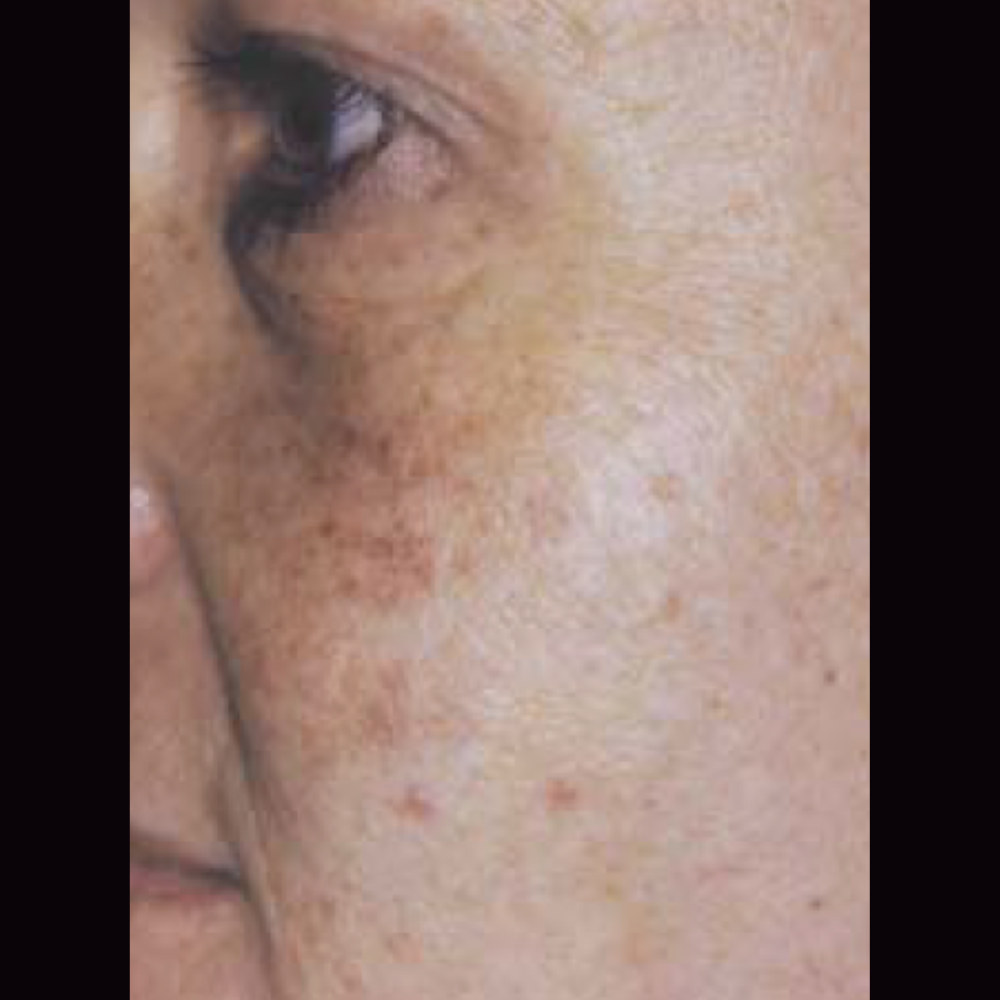
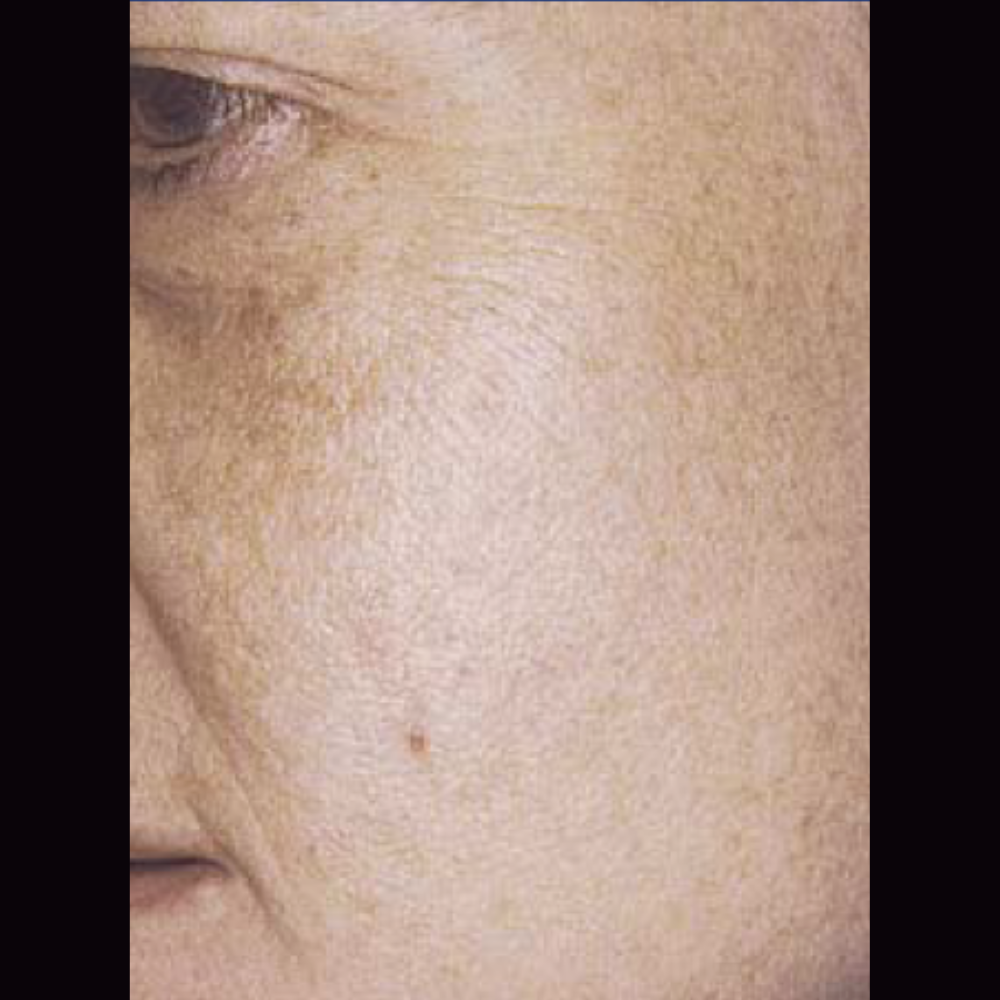
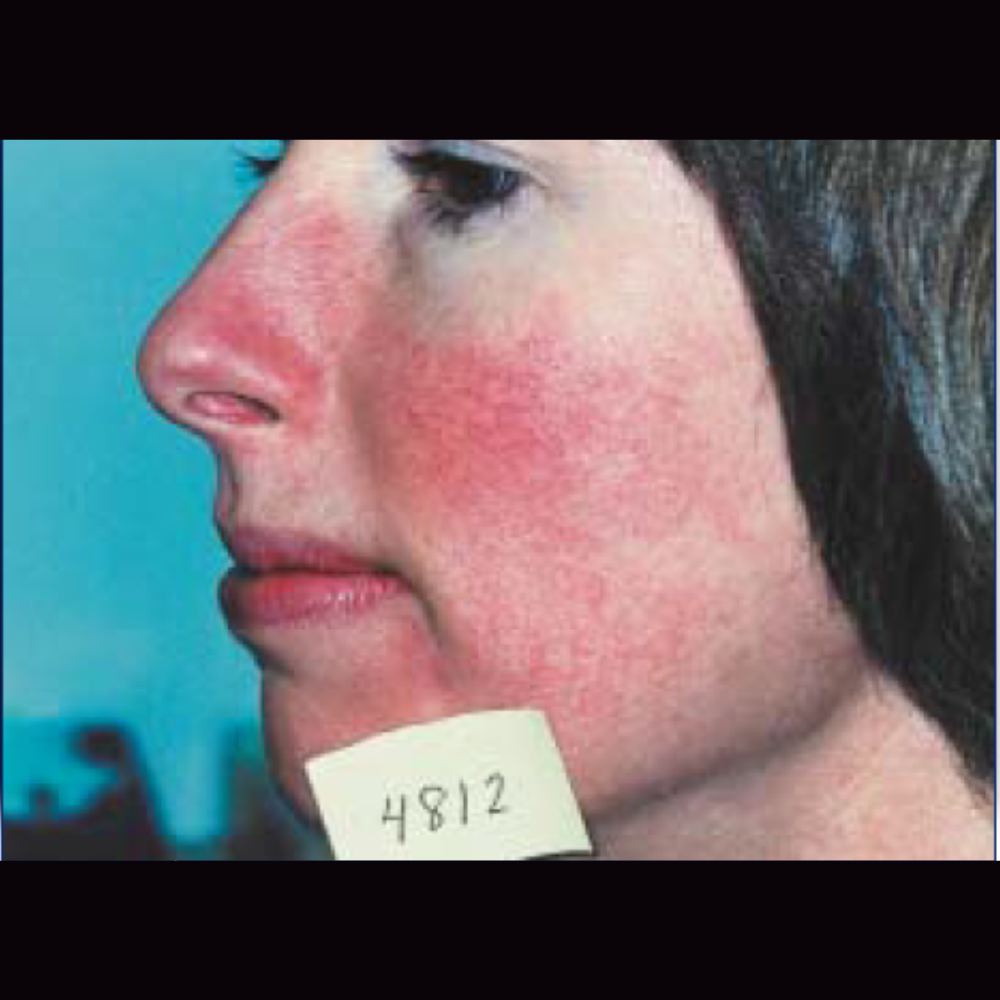
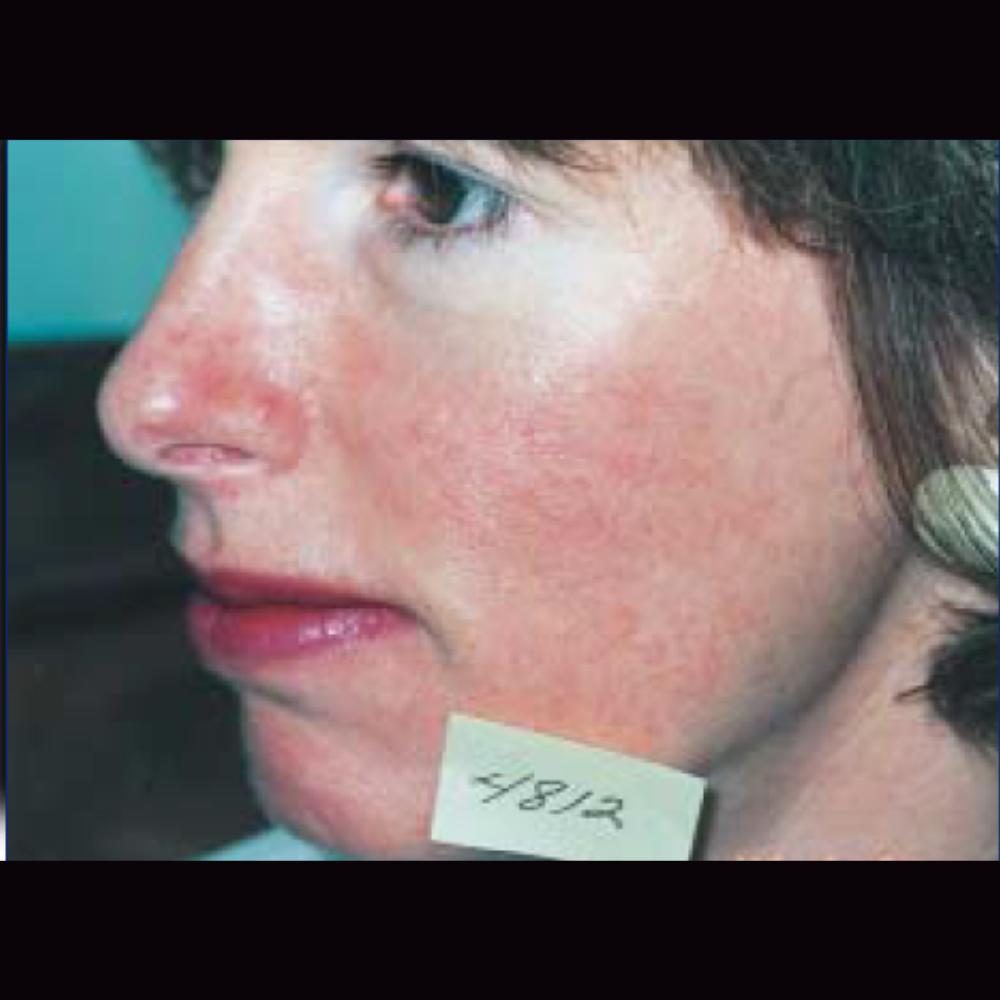
Typical Uses
You should consider IPL® treatment if you’re looking to treat:
- blemishes or acne
- Scarring
- Age spots
- Uneven skin tone
IPL® therapy is considered a non-ablative resurfacing technique, meaning it treats the lower layers of skin (the dermis) without harming the top layers of skin (epidermis).
What It Entails
IPL® therapy is a minimally invasive treatment with virtually no downtime, so a patient can easily undergo the procedure during their lunch break and return to work immediately afterwards!
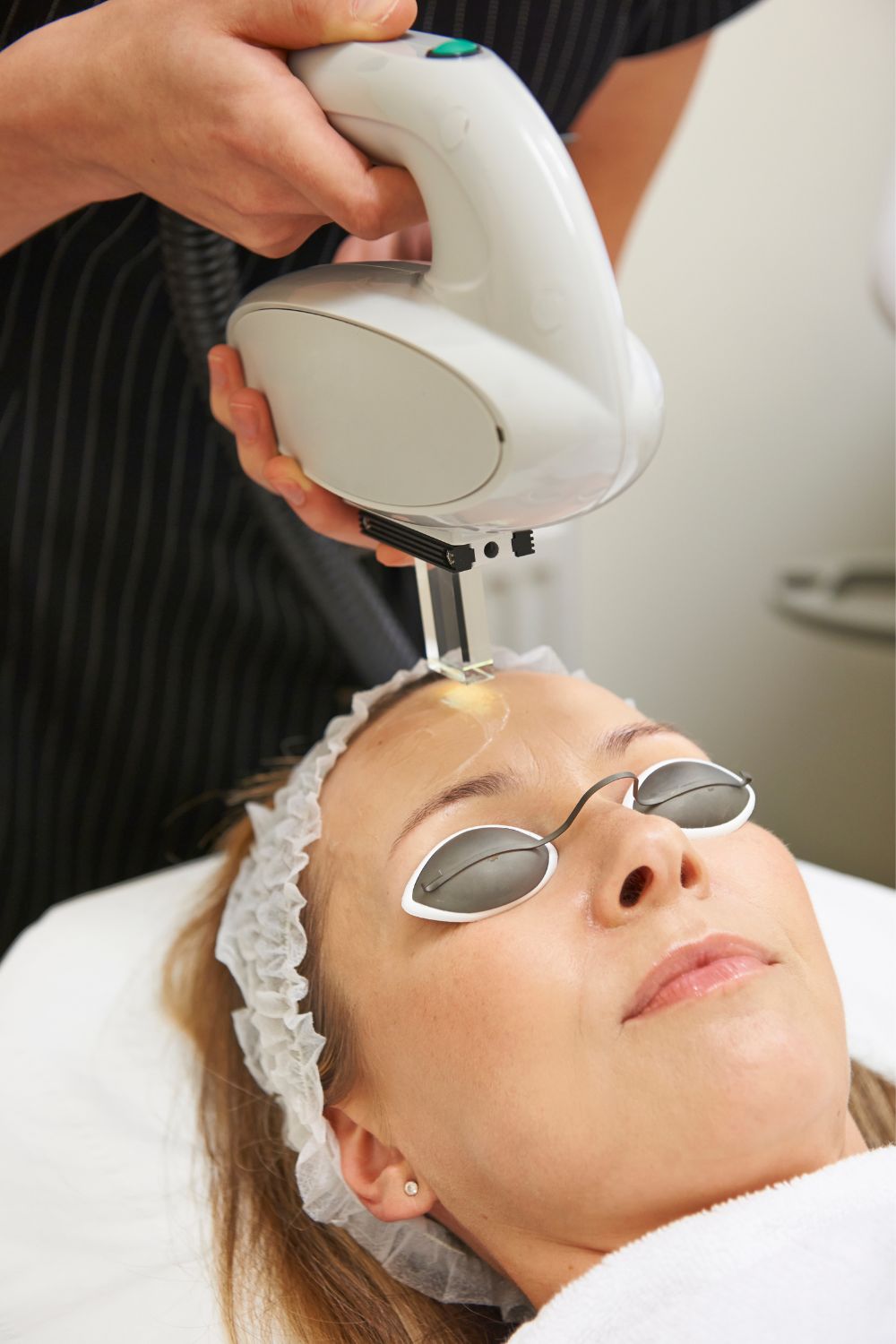
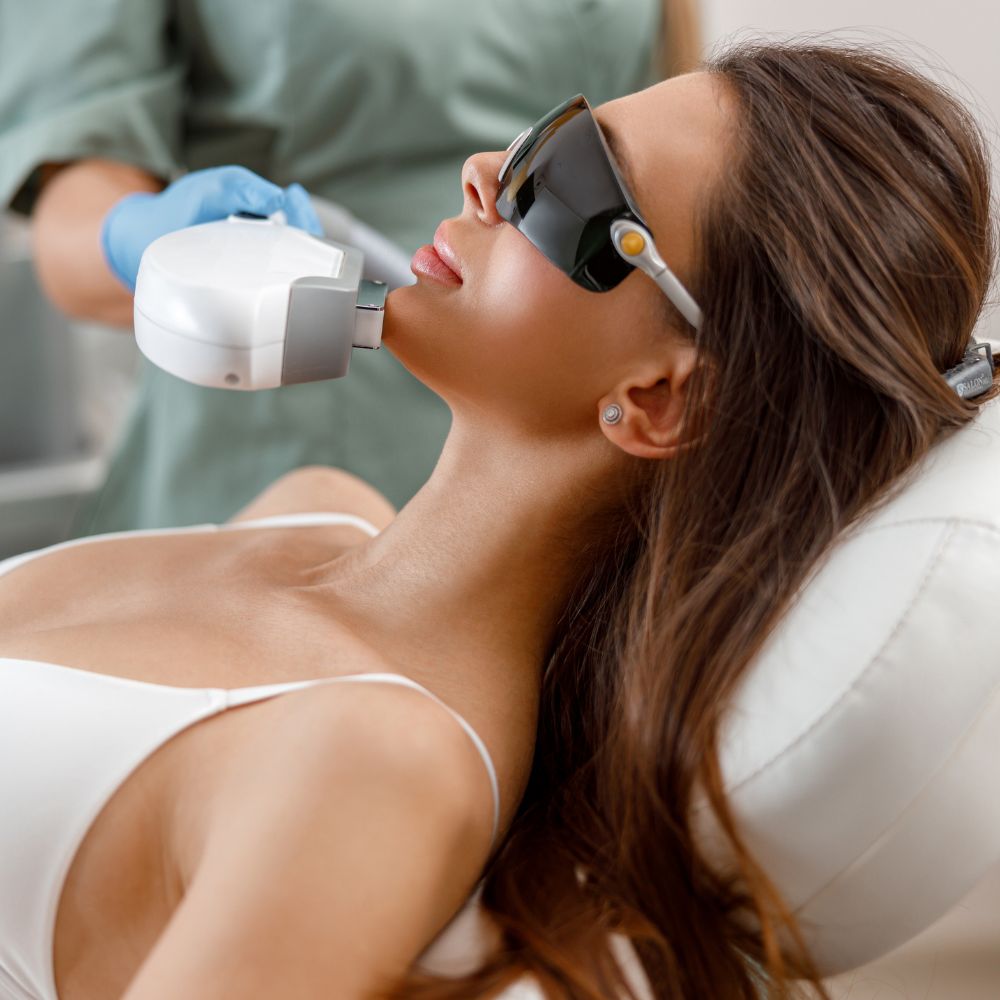
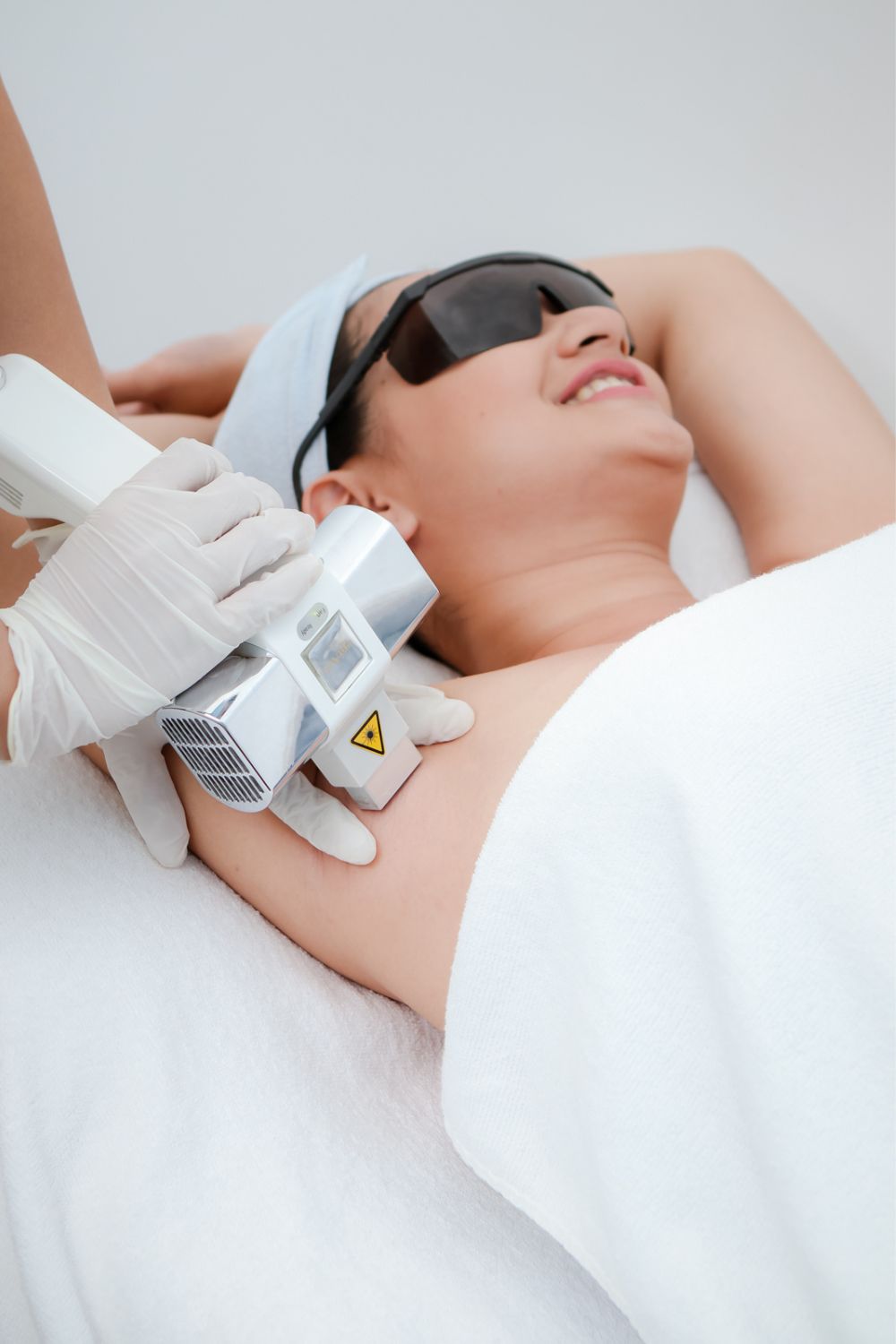
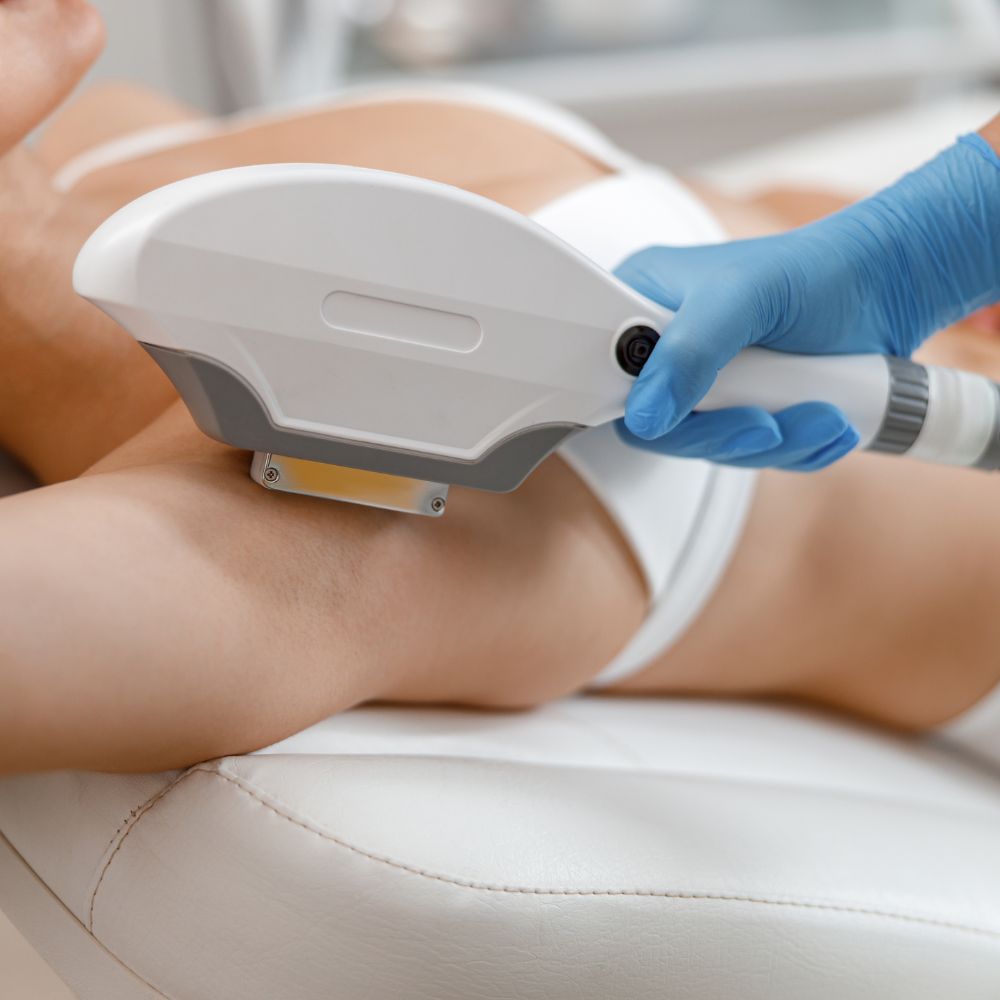
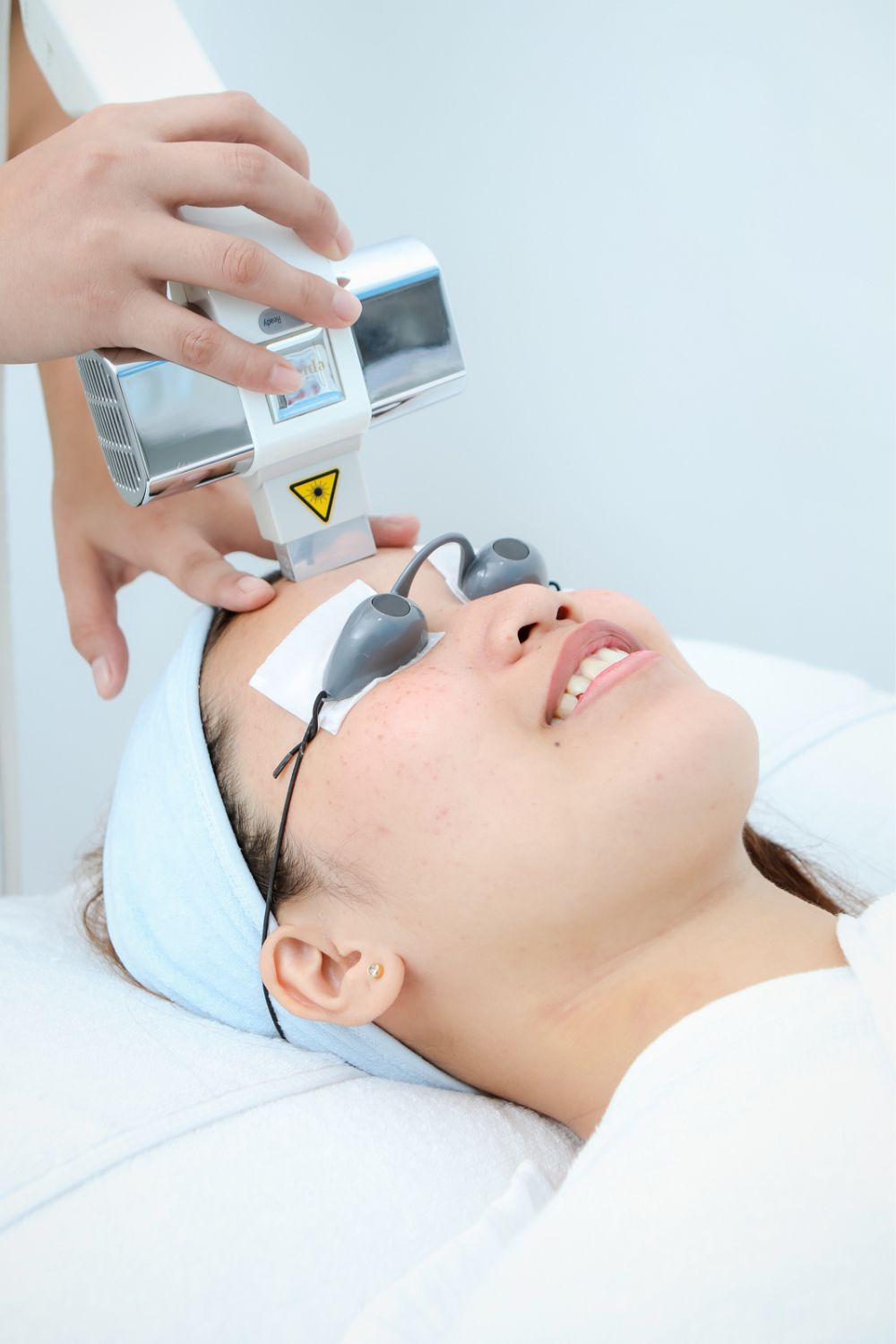
During the treatment, your eyes are protected by means of cotton pads and goggles, whilst your face is suitably prepped using a soothing cooling gel. The IPL® technology is then switched to emit bursts of light which is controlled by our expert doctor. This lasts for a few minutes, varying according to the area being treated, and you may expect to leave instantly after.
How It Works
1.During the consultation
If you are interested in IPL® treatment, you should start by booking a consultation with our clinic doctor. During the consultation, you will be able to express what you are looking to achieve and, after reviewing your medical history, our doctor will be able to determine whether you are eligible to undergo this type of procedure. If you are a viable candidate, our doctor will then discuss an appropriate treatment plan that is tailored for you to ensure that you achieve the best possible results.
2.During the procedure
Prior to starting the procedure, an ice pack is sometimes applied to the area being treated, whilst cotton pads and goggles are placed over the eyes to protect them from the laser. This is followed by a cooling gel which is gently massaged into the targeted area before starting the procedure. During the treatment, our expert doctor will work to control the timings of the laser, which will zap the skin in controlled bursts. It is normal to feel some mild discomfort during the procedure, but the treatment only lasts a few minutes, with the precise timing depending on the area being treated.
3. After the treatment
Following IPL® treatment, you may expect to see visible results within 3 – 5 days, depending on the area and issue being treated. The skin will continue to improve over time, but for optimal results, multiple sessions may be needed.
How It Works
If you are interested in IPL® treatment, you should start by booking a consultation with our clinic doctor. During the consultation, you will be able to express what you are looking to achieve and, after reviewing your medical history, our doctor will be able to determine whether you are eligible to undergo this type of procedure. If you are a viable candidate, our doctor will then discuss an appropriate treatment plan that is tailored for you to ensure that you achieve the best possible results.
Prior to starting the procedure, an ice pack is sometimes applied to the area being treated, whilst cotton pads and goggles are placed over the eyes to protect them from the laser. This is followed by a cooling gel which is gently massaged into the targeted area before starting the procedure. During the treatment, our expert doctor will work to control the timings of the laser, which will zap the skin in controlled bursts. It is normal to feel some mild discomfort during the procedure, but the treatment only lasts a few minutes, with the precise timing depending on the area being treated.
Following IPL® treatment, you may expect to see visible results within 3 – 5 days, depending on the area and issue being treated. The skin will continue to improve over time, but for optimal results, multiple sessions may be needed.
Frequently Asked Questions
IPL® treatments is a safe procedure with minimal side-effect and virtually no downtime. Some discomfort might be felt during the treatment which is reduced by contact cooling and, if necessary, topical anaesthetic. Post-treatment, the skin might turn slightly pink, swell or become a little sore. Likewise any pigmented lesions will typically darken for a few days and then start to fade. Yet, these side effects are no more serious than what one may expect from experiencing minor sunburn.
Light-based laser treatments offer a wider variety of wavelengths making them more diverse than traditional laser treatments. In fact, IPL® is able to address a greater range of skin concerns, such as acne and rosacea, whilst being gentler on the skin.
IPL® treatment best suits clients with a lighter complexion as this allows light to be more easily absorbed into the skin. It is also not recommended for pregnant or breastfeeding women or individuals that experience pigmentation concerns.
Follow-Up Procedures
The need for follow-up treatments will depend on the area being targeted. Ideally, clients should wait from 1-2 weeks between treatments when multiple sessions are recommended, to give the skin enough time to recover between each session.